Tax Filing Deadline for Texas owners
The filing day and the payment day stay two federal acts. This page is the Texas date that sits beside them when the company lives in the state.
The filing day and the payment day stay two federal acts. This page is the Texas date that sits beside them when the company lives in the state.
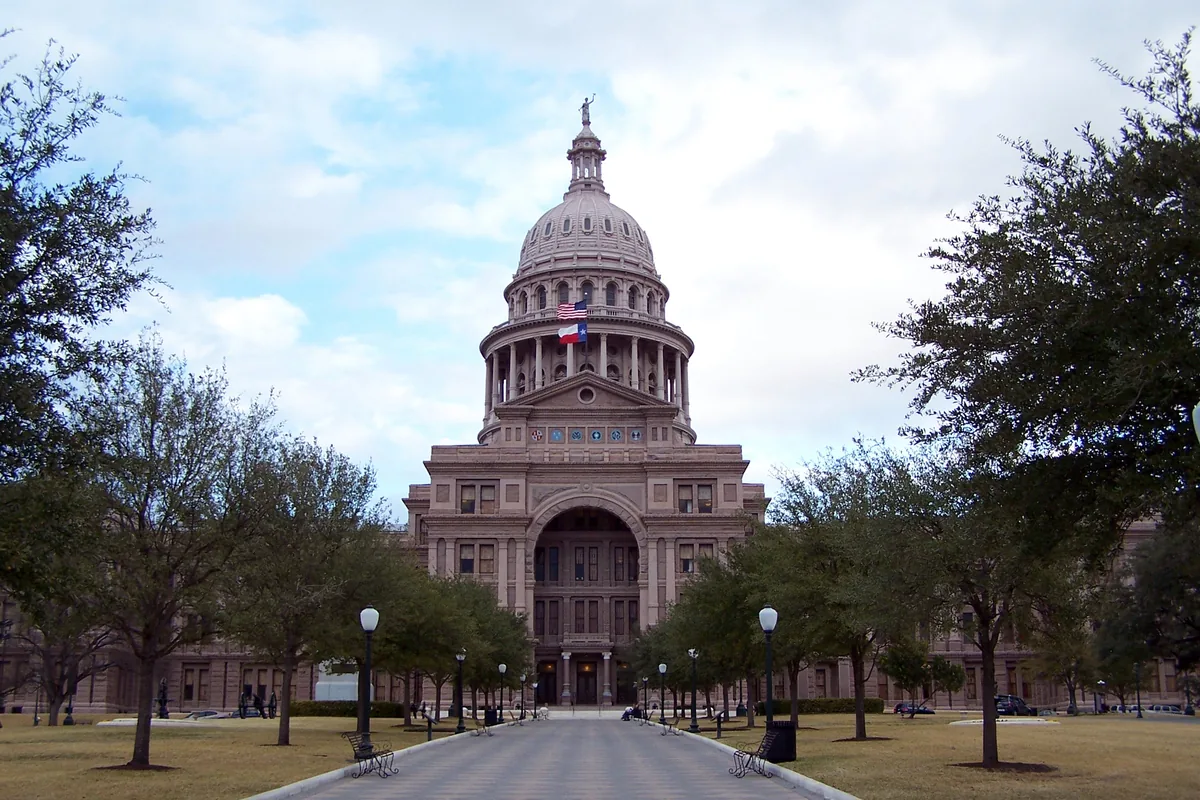
Photograph of the Texas State Capitol in Austin by Larry D. Moore, CC BY 4.0.
A company in Texas does not get a different federal day. The return still goes in on the day that form uses. The balance is still paid on the day the instructions already gave it. Texas adds a report to the Comptroller, and it adds a sales-tax day only when the company collected tax. Those are extra acts. They do not borrow the federal calendar, and the federal calendar does not borrow them.
Dallas is where this practice sits. A Texas owner who is somewhere else joins by video, and the prior return can be on the screen when one exists. There is no second office. Readers outside Dallas and Fort Worth share the state with us without sharing a neighborhood. We are all Texans. El Paso and a coastal county can circle the same Friday, and the month still closes on the day the engagement letter already named.
May 15, 2026 is a Friday. On a federal calendar, the middle of May is when many exempt organizations send Form 990. A shop that sells goods, or a company with owners who take profit home, is not that return. The Friday still belongs on the company calendar, because the Texas franchise report ordinarily lands on that square, with the information report that rides along. Two agencies can share a wall calendar and still be asking for different paper.
The company may already have sent its federal return in March or in April. This Friday can still be open with the Comptroller. The other pages on this site name the federal filing day and the federal payment day. Nothing here moves those two. The state report sits beside them, so a person who circled one date does not miss the date the state is waiting on.
We read the formation papers and last year's report before that Friday goes on your list. A note a friend wrote about April does not tell us whether the Comptroller expects a filing. Work done in a personal name, where no company was ever formed, is a different conversation from a company formed in Texas or doing business here. We say which papers we are holding before we say the day.
Some years the franchise tax itself is zero and a short information report is still required. We read the instructions for that year before we tell you the short report can be skipped. An unfiled report and an unpaid tax are two acts. We say them separately, in the same spirit as a federal return going in and a federal balance being paid. A zero tax is a poor reason to ignore the report.
The tax, in a year when there is tax, is figured on the company's margin and then shared to Texas by receipts. Which computation the instructions allow is a question for the revenue and the wages actually on the table. We do not pick a path from a friend's memory of last spring, and we do not print a rate on this page. The Comptroller's instructions for the report year are the rate sheet. Our job on the call is to say whether the Friday applies, and which report it applies to.
An owner can owe nothing for the year and still have the information report sitting unfiled. We name that open report as its own act. The state can limit what an unfiled company may do in a Texas court. We name that risk as a filing fact. We do not dress it up as a fine, and we do not quote a dollar figure the instructions do not put in front of us.
Money the company collected as sales tax does not wait for the May Friday. It has the 20th. A monthly filer sends one month's collections by the 20th of the following month, so what was collected in April meets May 20. The quarterly rhythm uses four later months, April then July then October then the January that opens the next year, and each of those four still lands on the 20th. If the company never collected the tax, this day stays off the calendar. We do not invent a sales-tax rhythm for a company that had nothing to send.
The rate depends on where the sale happened, including local pieces a city or a transit district may add. The percent lives in the location file for that sale, and this writing does not repeat it. When a report is being prepared, we read the location. Sending the report and sending the money can fall on the same 20th and still be two acts, the way a federal return and a federal balance can share a day only when the instructions say so.
We will not turn a late sales-tax report into a percent you should memorize. The Comptroller prints the charge for that year. We name the day, and we say whether any tax was collected. A federal extension does not push the 20th into June.
An extension on Form 4868, or on Form 7004, changes when a federal return may arrive. The franchise report in May stays on its own Friday. The sales-tax 20th stays on the 20th if tax was collected. The state does not read a federal extension as a favor to itself. An owner who files the federal form and then relaxes through May has mixed a federal filing act with a state report.
The request that moves the franchise report is filed with the Comptroller, on the chart that office prints for the year. The chart in our hands is the one printed for the report year on the table. We do not copy a federal October date onto the state report and hope. Electronic payment rules also live on that chart, including when a prior bill was large enough that a later payment has to move by transfer. We read the threshold in the year, and we do not reprint it here as if it were permanent.
A weekend or a legal holiday can move a printed state day to the next day offices are open. That shift belongs to the report it covers. A payment the instructions already placed on the earlier day does not pick up the extra day merely because the report did. The rest of this site draws that line for federal forms. Here the same line is drawn for the Comptroller.
A person's wages are not taxed by Texas as income, and the profit of the business is not taxed that way either. The state constitution bars a personal income tax. Whatever the owner owes on a personal return is owed to the federal government. The federal payment day on the other pages is still the day for that balance.
When the envelope says Comptroller, the subject is the company report, the sales tax that was collected, or the franchise filing. The owner's personal balance stays on the federal payment day. We still open the envelope. The form number tells us which calendar we are on, the same way a federal notice tells us whether the date is a filing day, a payment day, or a deposit from the company that runs payday.
Bring the date someone already wrote down, and the name of the form they thought it belonged to. Add the Texas papers when you have them. Last year's franchise report. Any letter the Comptroller already sent. If sales tax was collected, the rhythm the permit letter named. The federal election on file still decides the federal day. The state papers decide the Friday and the 20th.
We close the months before we trust a figure on a state form. An open January turns the Friday into a rumor with a seal on it. The call names the acts. It does not file the report and it does not send the sales tax. Work past the call waits for a signed letter. If a part of the work needs a signature we are not allowed to give, we say so and point that part to a firm that can sign it.
You will be talking to the Steven Palmieri practice.